
How to Make Homemade Peppermint Spider Repellent (DIY Spider Spray Guide)
Peppermint is one of the most popular natural spider deterrents in the UK. Many homeowners use peppermint oil to help discourage spiders from entering homes through windows, doors and small gaps. In this guide we’ll show you how to make a simple homemade peppermint spider repellent using just a few ingredients.
Since my recent article on natural spider deterrents, the weekend will see a lowering of temperatures for large swathes of the country, though many properties are likely to take some time to cool down. Spiders are likely to remain active and will be more common given the need for our windows to be open.
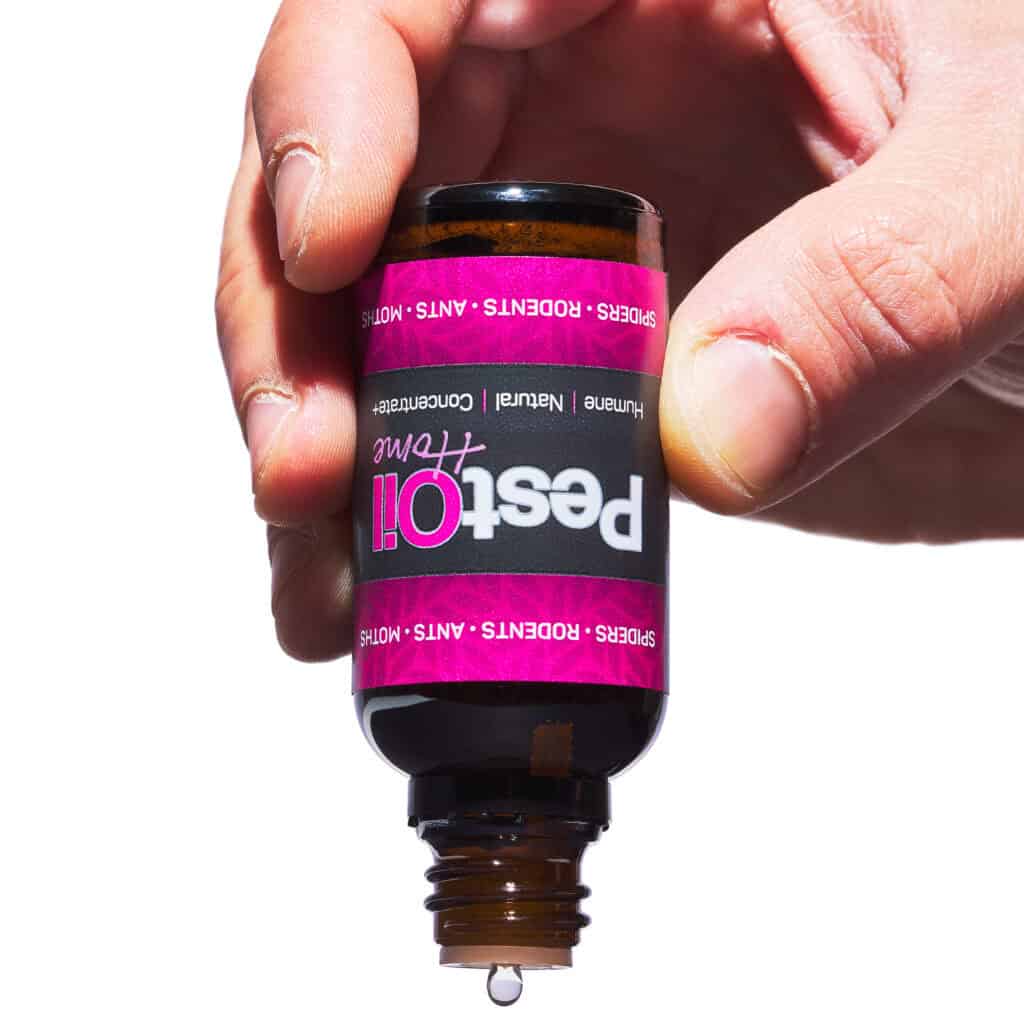
How to make your own Peppermint Spider Spray
Peppermint oil is popular because its strong scent is believed to disrupt the sensory cues spiders use when navigating their environment, making treated areas less attractive.
Making your own spider repellent spray is something that many of our customers favour as it is a good way to reduce packaging and reuse your own spray bottles – as well as being an economical way to stop spiders. We have 2 specialist essential oils, which are sourced from the finest organic sources worldwide.
A step by step guide to making Spider Repellent Spray
Whether you favour an all round pest repellent blend or a pure peppermint oil we have the solution for you – with each of them also working in the same way.
Step 1: Find Where the Spiders Are Entering
- Firstly, identify where the spiders are likely coming from as you need to find the source and treat that as your target area
- Common target areas include windows, doors, skirting boards and anywhere there might be gaps or crevices
- Clean the target area. Wipe away cobwebs, make sure there is little or no residue or trace of spiders
- Now prepare your spray
Step 2: Make Your Peppermint Spider Spray
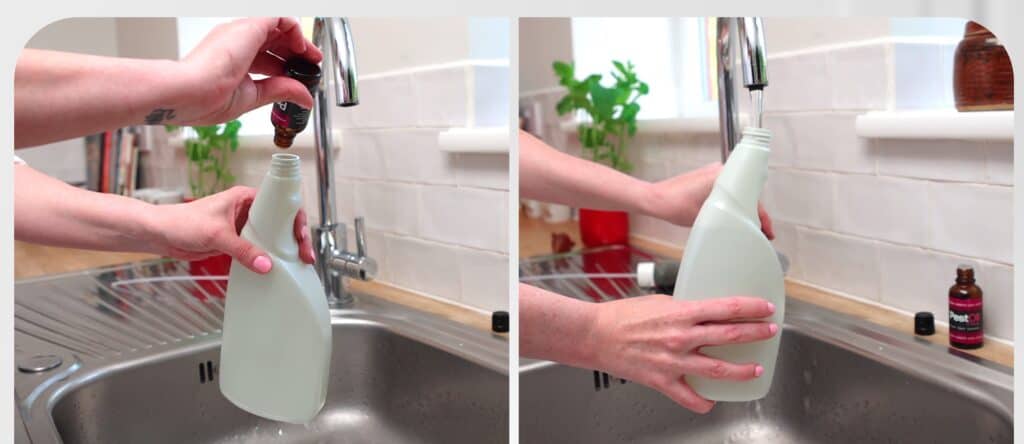
- Get an empty spray bottle with sprayer – ideally reusing and repurposing an old item, or if required buy your own bottle and sprayer
- Add drops of our Peppermint Spider Repellent to the bottle.
- For a heavy spider infestation, we recommend 20 drops of the essential oil per 100ml of water reducing to 5 drops per 100ml for a light infestation or as a preventative spider deterrent
- Add water to the bottle to suit your desired strength. Guidelines can be adjusted, to suit personal taste and preference
- Adding a drop of liquid soap or dishwashing liquid is recommended in order to aid the mixing of the oil and water
- Add your sprayer back to the bottle
- Shake well and then your own peppermint spider repellent spray is ready to use
Step 3: Apply the Spray
- Always ensure bottle is shaken well so contents are mixed
- If there are any surfaces or areas that you are concerned about, we recommend you undertake a small patch test before full spraying and use
- Spray liberally around the target areas
- Repeat every couple of days or so – depending on where you are spraying (for example, more frequently in outdoor spaces)
So now you have my guide to making your own spider deterrent spray. Looking for a ready-made alternative? Our best-selling PestSpray Spider Repellent contains carefully blended essential oils and is ready to use straight from the bottle.
Happy repelling and here’s to keeping cool!
Russell
Frequently Asked Questions
Does peppermint oil repel spiders?
Peppermint oil is widely used as a natural spider deterrent due to its strong scent. Many homeowners spray peppermint oil around windows, doors and entry points where spiders are likely to enter.
How often should I spray peppermint spider repellent?
For best results, reapply every few days, particularly in outdoor areas exposed to weather and rain.
How long does peppermint spider spray last?
Indoor applications can remain effective for several days, though outdoor applications may require more frequent treatment due to rain, wind and sunlight exposure.
Can I make peppermint spider spray without chemicals?
Yes. Many homemade spider repellent recipes use peppermint essential oil, water and a small amount of liquid soap to help the ingredients mix.
What smells do spiders dislike?
Peppermint is one of the most commonly used scents. Other popular options include lavender, clove and eucalyptus oils.
Is peppermint oil pet-friendly?
Peppermint in it’s purest form can cause an issue for dogs and cats, though when used as directed the dilution of peppermint should make it pet-friendly. They might not like it, but are very unlikely to suffer any ill from the spray.
Is peppermint oil hazardous for humans?
Follow all pre-cautions detailed on the label. Do not ingest, wash from skin immediately, rinse eyes if any splashes get in and pregnant people should also be cautious.